
GLOBAL ENGINEERING WITH A RICH HISTORY: NEW DISPLAY CELEBRATES READING’S PULSOMETER LEGACY
News Story – 23rd April 2026
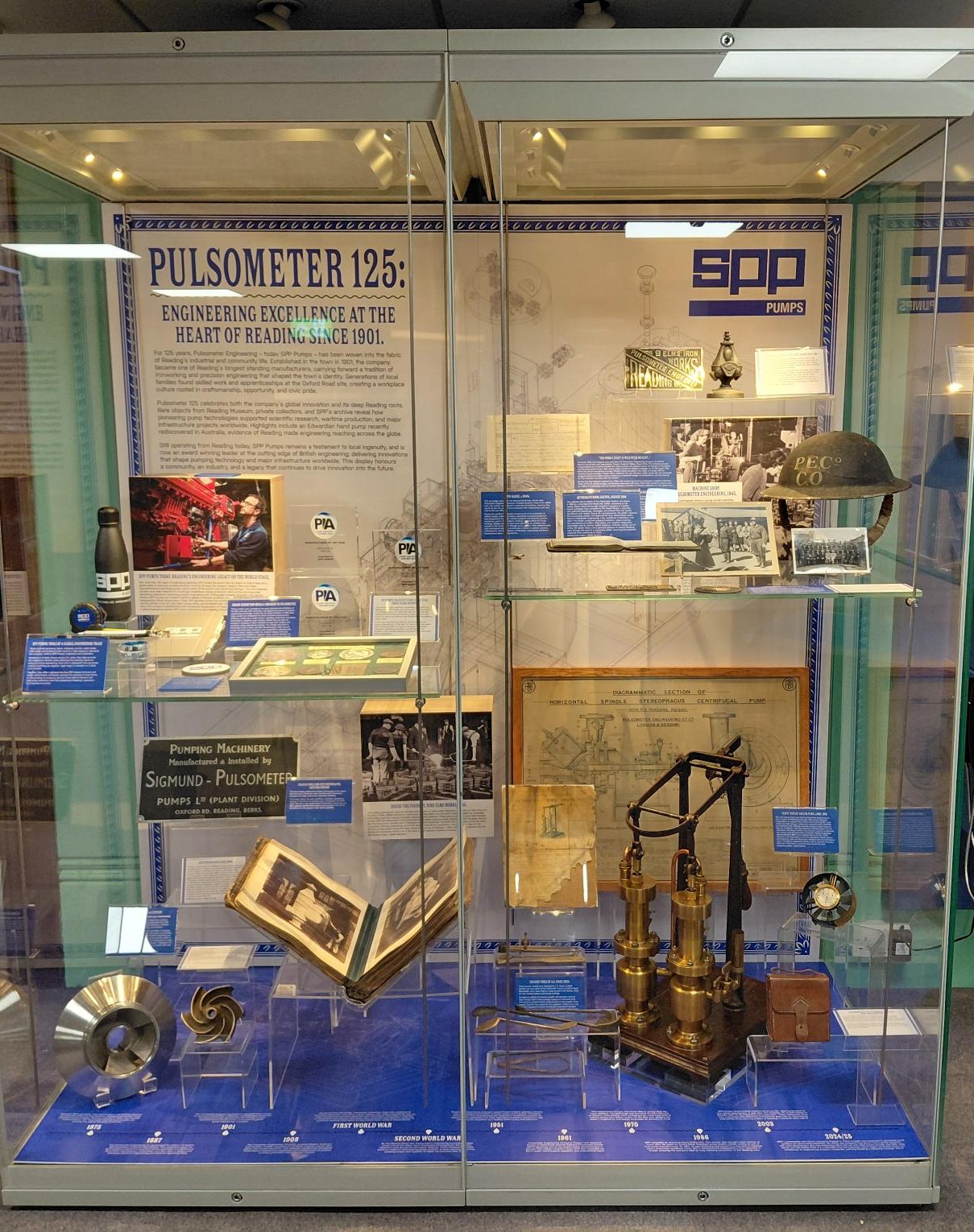
Pulsometer 125: Engineering Excellence at the Heart of Reading since 1901.
A remarkable new display now open to the public is shining a spotlight on Reading’s hidden engineering heritage, revealing how a factory on Oxford Road helped shape world industry – and telling the extraordinary human stories behind it.
Marking 125 years of Pulsometer Engineering, today known as SPP Pumps, the display explores how a Reading‑based company became a global force in innovation, scientific research and wartime production. Drawing on rare artefacts from Reading Museum, the SPP archives and private collections, it reveals a story of ingenuity, skill and civic pride rooted firmly in the town.
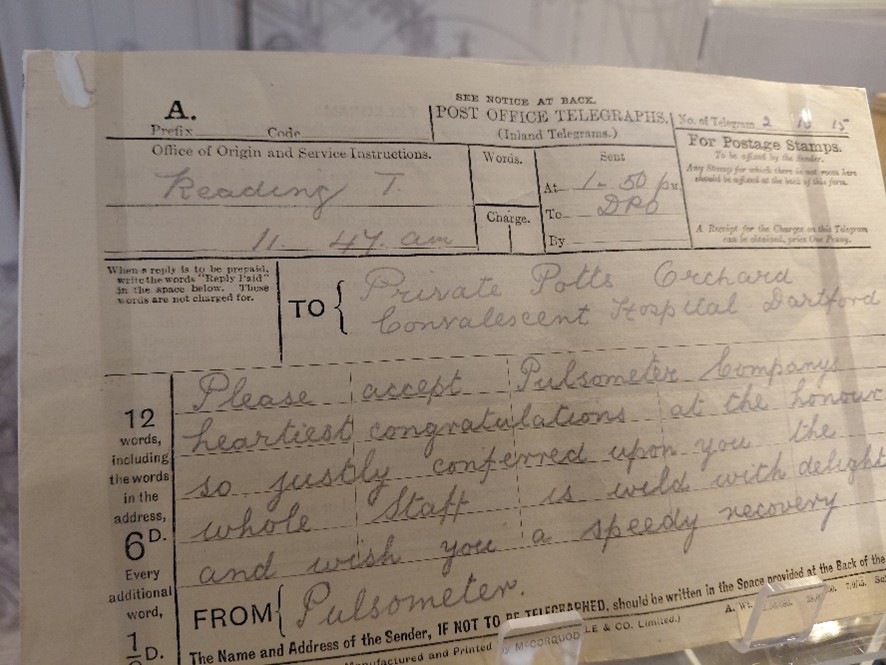
Among the most striking highlights are artefacts connected to Trooper Frederick Potts VC, one of Reading’s most celebrated sons. Before the First World War, Potts worked for seven years as a fitter at Pulsometer Engineering. In 1915, during the Gallipoli campaign, he carried out an extraordinary act of bravery, dragging a severely wounded comrade to safety under enemy fire using a shovel, an act that earned him the Victoria Cross and the nickname “the hero with the shovel.”
On display is the original telegram sent by the company to Potts congratulating him on his award, a powerful reminder of the close bond between the town, its workforce and those who served.
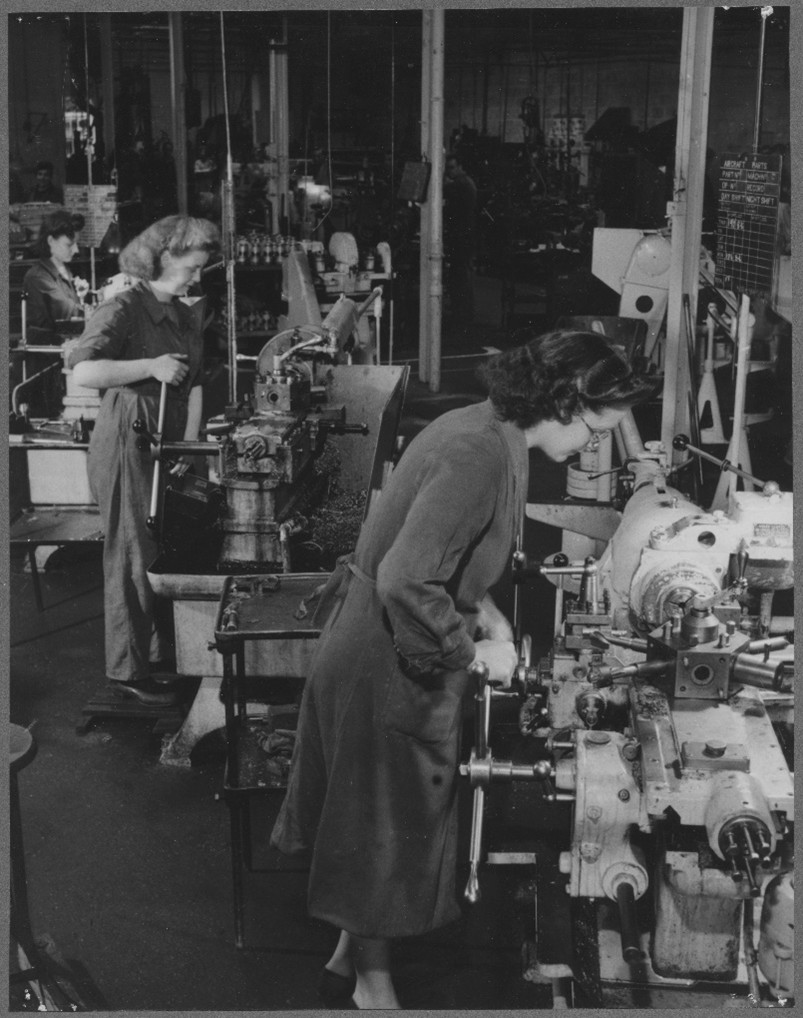
Pulsometer engineering proved vital during both World Wars. Objects such as a Second World War fire‑watch helmet, worn by staff protecting the Oxford Road works during air raids, speak to the quieter acts of bravery carried out on the home front. Photographs document visits by members of the Royal Family and the role of workers placed in reserved occupations, whose skills were deemed essential to the war effort.
“The Potts material is an extraordinary reminder that industrial history is ultimately about people,” said a museum spokesperson. “This is not just a story of machinery, it’s about skill, sacrifice and shared pride.”
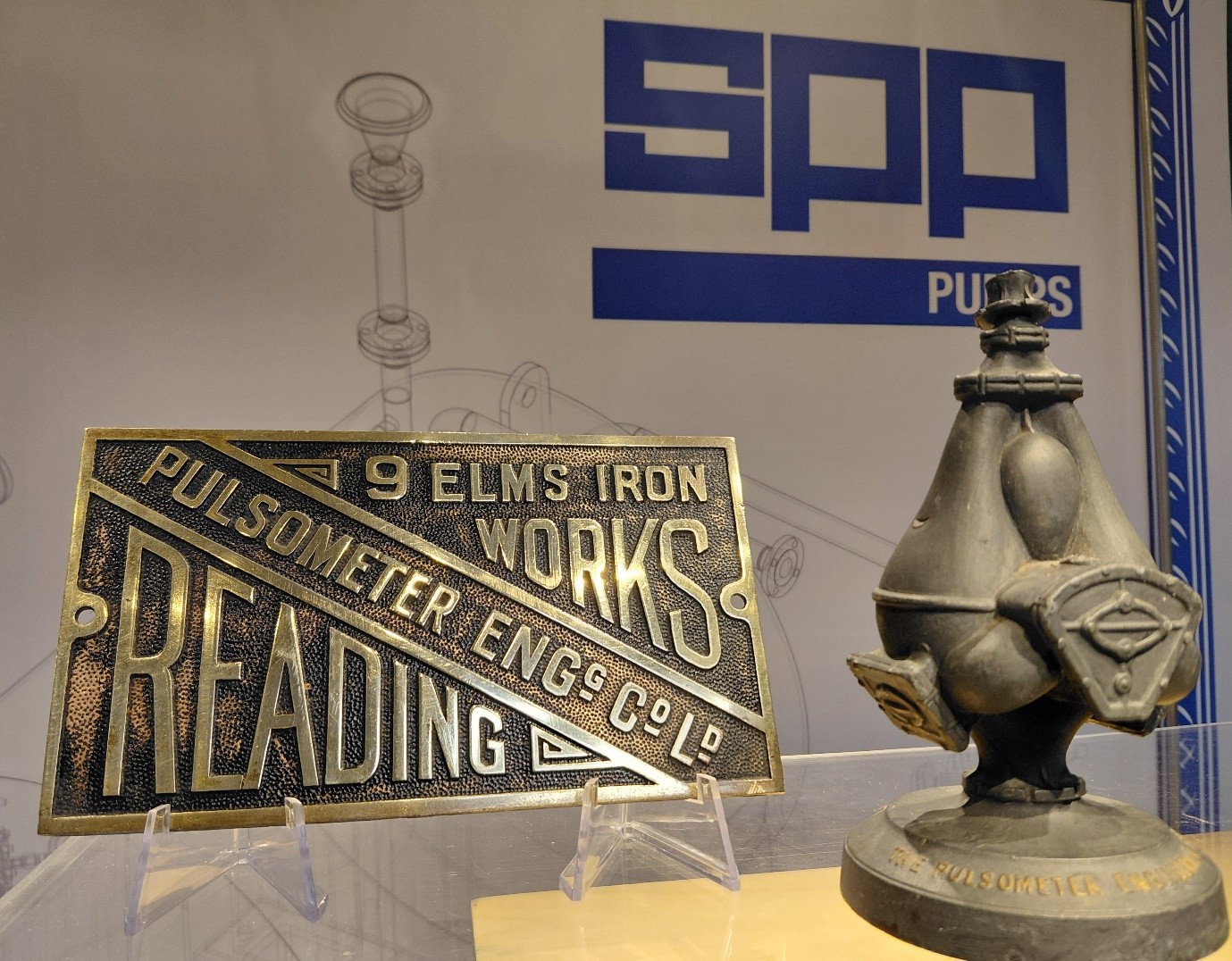
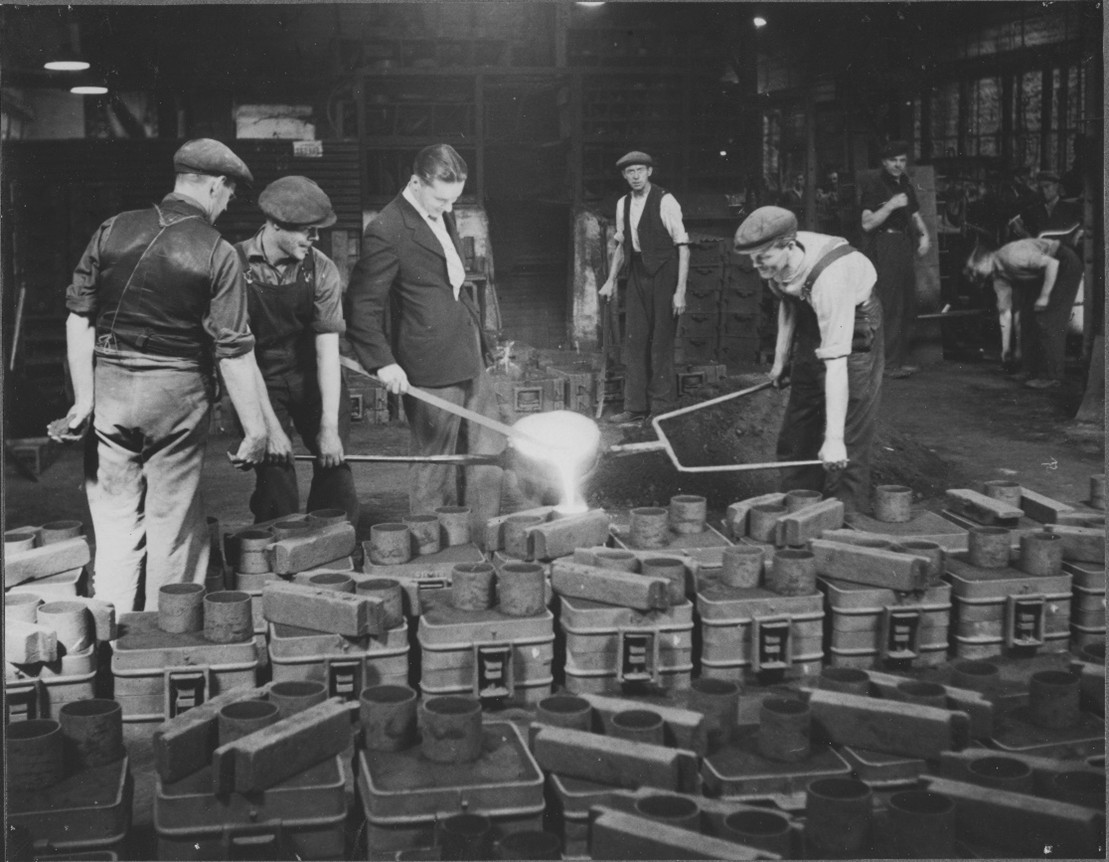
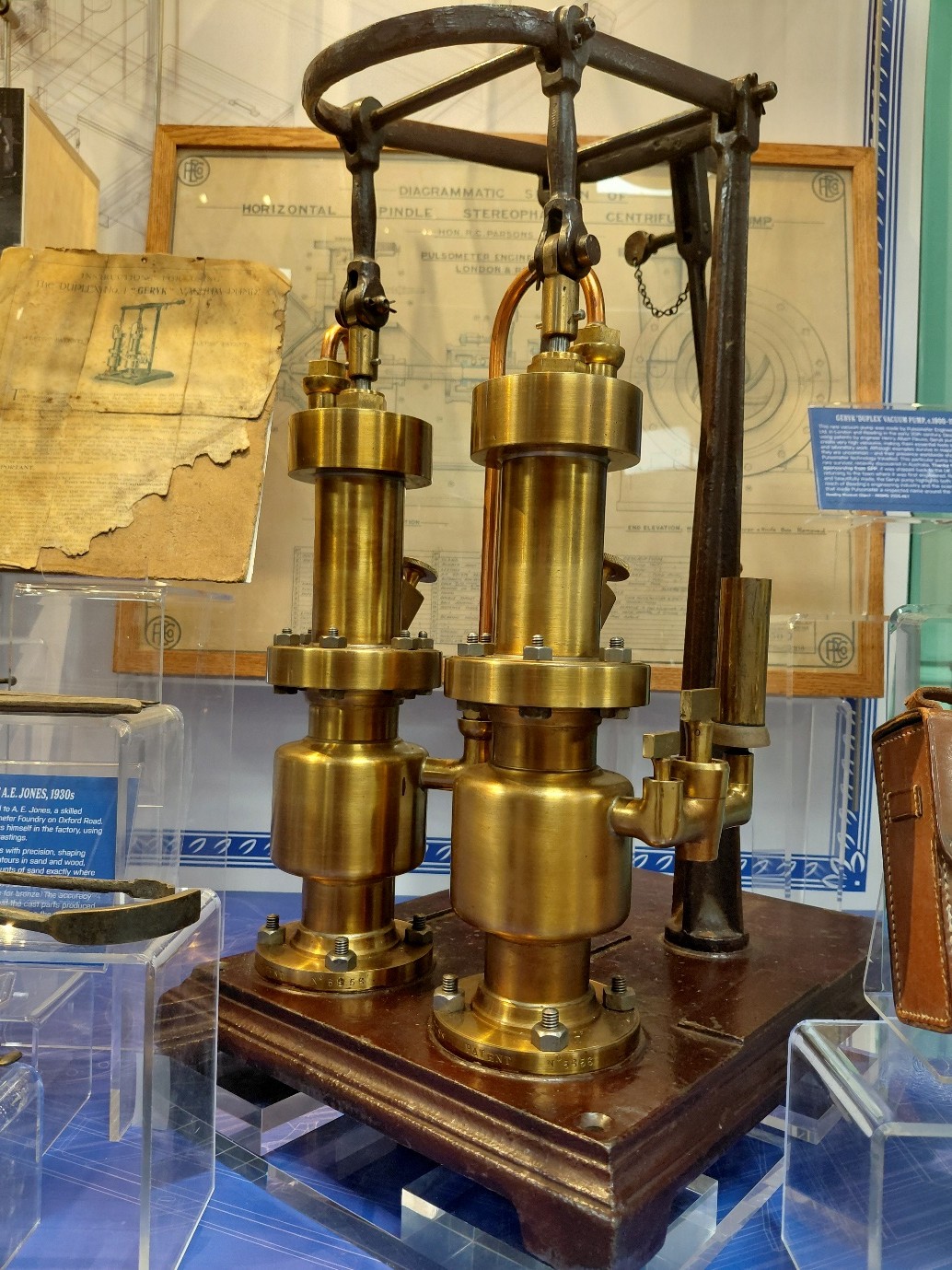
The display also features a rich range of engineering artefacts telling the wider Pulsometer story: from early photographs of the factory’s formative years and tools used by skilled foundry workers to export plates that trace Reading‑made technology to every corner of the world. A rare Geryk ‘Duplex’ vacuum pump, recently rediscovered in Australia and returned to Reading Museum in 2025 thanks to support from SPP, highlights the firm’s international role in cutting‑edge scientific research.
When moving out of London to new premises in Reading in 1901, Pulsometer Engineering became one of Reading’s longest‑standing manufacturers and a major employer in west Reading. Generations of local families passed through its gates, contributing to a culture of craftsmanship that continues today, with SPP Pumps still operating with an office in Theale as a world‑leading engineering firm, an award‑winning business at the forefront of modern British engineering.
Compact but rich in storytelling, the display offers visitors a fresh way to see Reading, as a place where local engineering skills powered global change, and where a factory workforce could include both master craftsmen and a Victoria Cross hero.
The Pulsometer 125 display is now open to the public and free to visit.
For more details – Pulsometer 125: Engineering Excellence at the Heart of Reading since 1901 | Reading Museum